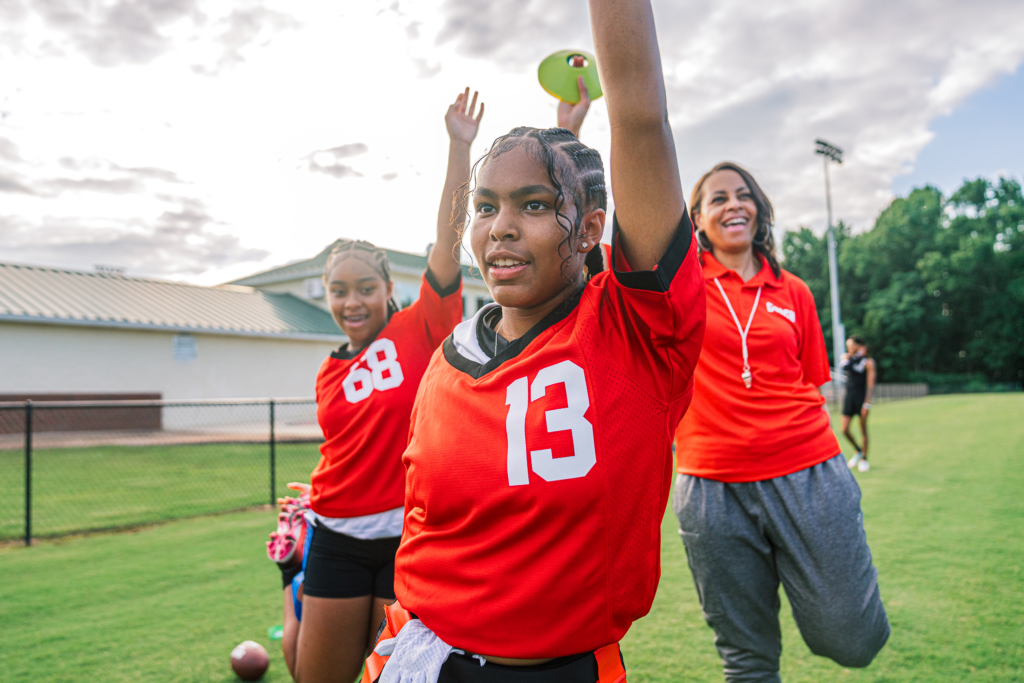
Youth sports offer kids a meaningful opportunity to develop and grow both as a child and as an athlete. Many graduate from youth sports programs having formed lasting memories of their experiences, memories rooted in team camaraderie and positive encouragement. However, other characteristics of sport, like competition and peer pressure, can present risks for negative behaviors, like bullying, to occur.
When parents and guardians are aware of bullying, its impact and how it might manifest in youth athletics, they’re more prepared to help their child if they encounter bullying on their team or show signs that they may be on a path to engaging in bullying behavior. As a parent or guardian, it is easy to become alarmed if you discover your child is involved in bullying. But it’s important to remember that at the core of bullying in sport is often a child struggling and asking for connection and help.
Parents, coaches and other trusted adults can use the following resources and tips from the U.S. Center for SafeSport to discover ways of preventing bullying from happening and extending support to young athletes who may encounter bullying or other negative behavior on their sports team.
How Bullying Occurs in Youth Sport
There are countless clips of bullying in pop culture, from blockbuster movies to streaming TV shows. But what is it really … and how does it show up on our kids’ youth sports teams?
It can be tempting to name any type of mean behavior as bullying. But bullying is defined as aggressive behavior directed at anyone younger than age 18. It can be repeated, or it can be one single, severe incident. In either form, the behavior is intended to hurt or control someone emotionally, physically or sexually. It can happen in person or online.
Here are three types of bullying, and how they may manifest in a youth sport setting:
- Verbal: An athlete repeatedly ridicules or name-calls another teammate.
- Physical: A group of athletes make a habit of hitting or beating up another team member.
- Social: An athlete socially excludes a teammate and asks others on the team to do the same.
Parental Support & Involvement Is Key
Often when we think about bullying, we think about the children experiencing bullying … and what parents, coaches and others can do to help. But when bullying happens in youth sports, it’s important to reframe the narrative to include every child involved, including children who bully. By doing so, we acknowledge that all involved athletes are struggling and in need of adult support and intervention.
Here are three ways parents can offer support to athletes who may be experiencing bullying, athletes who may be on the path to bullying or athletes who may witness bullying:
- Listen with empathy. Remain calm and supportive. Create a judgement-free space so your child can share openly about how they’re feeling or what they’re experiencing. Use this opportunity to share your own experience with bullying … either a time you felt the pain of bullying or a time you said or did something hurtful to someone else and what you learned from the experience.
- Talk about why kids might bully. Open the conversation about bullying and why it might occur. Help them understand that bullying is often a coping mechanism for something bigger going on in a child’s life, like changes in a home environment.
- Come up with a plan. Together with your child, come up with some actionable steps you’ll take to address the situation. This might be partnering with their coach to promote appropriate behavior or seeking help from a mental health professional for a child who may be on the path to bullying and asking for help.
When parents and guardians recognize that they can play a key role in helping address bullying in youth sports settings, they can feel empowered to help shift the culture of sport toward one of positivity and belonging for every athlete.
Starting the Conversation

An important component of abuse prevention is starting the conversation with your kids about abuse before it happens. By intervening early, parents and guardians can help set the stage for safer play.
Talking about abuse with kids can be scary and uncomfortable. But breaking down barriers and having tough conversations, like talking about bullying, will help your child feel safer, more supported and more confident. What’s more, these honest, open conversations demonstrate to your child that if anything makes them feel uncomfortable or unsure, they can always come to you for guidance and support.
The U.S. Center for SafeSport is here to help parents and guardians navigate these conversations. SafeSport’s Parent and Guardian’s Handbook for Safer Sport offers tips for talking and listening to kids as well as other best practices for parenting kids in sport.
Monica Rivera is the vice president of education and research for the U.S. Center for SafeSport, a 501(c)(3) nonprofit that the Protecting Young Victims from Sexual Abuse and Safe Sport Authorization Act of 2017 codified as the nation’s safe sport organization, giving it the scope and authority to resolve abuse and misconduct reports related to the U.S. Olympic and Paralympic Movement — from which it is independent — as well as develop and enforce policies, procedures and training to prevent abuse and misconduct and ensure Olympic and Paralympic national governing bodies adhere to Minor Athlete Abuse Prevention Policies (MAAPP).