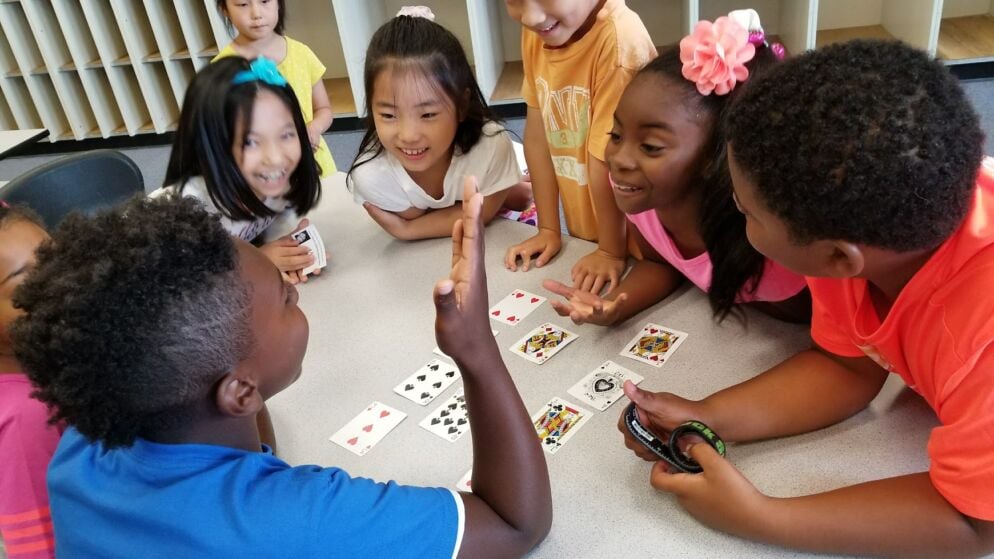
When you think about the performing arts, what comes to mind? Perhaps it’s a gifted actor, graceful ballerina or talented trumpet player. Theater, dance and music are certainly important disciplines, but the performing arts have many specialized forms. Magic is a great example of one of those specialties. Though often considered just a hobby or one of the circus arts, magic is much more.
For a long time, magic was kept off the marquee. Professional magicians performed almost exclusively at casinos or in variety or burlesque shows, a far cry from Broadway or even the local performing arts center. Even now, it’s challenging, if not impossible, to find a magic major or minor at a college since its practice and performance are considered
better suited to extracurricular clubs.
Another factor: Magic is the only performing art based on secrets. In the past, experienced magicians zealously guarded their techniques. Today, magic is more accessible than ever, especially through social media platforms like YouTube and TikTok. And with the continued popularity of celebrity magicians including Criss Angel and Penn & Teller and
the appeal of newer stars performing on local stages and shows like “America’s Got Talent,” magic is coming into its own. And kids can start learning at a young age.
Magic Builds Skills
If your child has expressed an interest in magic, that’s news worth celebrating. Magic may seem like a series of tricks and routines, but it’s both an art and a pathway to important life skills — most notably, social skills. Aspiring performers must engage in dynamic communication, learning to introduce themselves, talk to others, give directions and use all kinds of feedback, among many other interactions, to wow their audience.
Annie Montone, one half of the magical duo “The Encounter” and head magician at School of Magic Arts (SoMA; schoolofmagicarts.com) in central Maryland, has seen big gains in confidence, especially among shy or anxious learners. Montone recalls one of her students, a young lady who was “really nervous with new people.” She was apprehensive at first, averse to even turning on her camera during online classes. Over time, this reluctant conjurer started to build skills and perform tricks for her parents, and then unfamiliar people, telling Montone, “I’m not anxious when I’m doing magic.”
Practice, Progress and Pride
Magic is in no way a ticket to instant gratification, as it requires intensive practice — a life skill if there ever was one. Still, experienced magicians will agree that there’s nothing like their first successful trick. That initial accomplishment, and the many that follow, is the culmination of training, preparation and practice, along with planning, timing and skill, and the foundation for continued progress and well-earned pride.
According to Mark Lohr, comedy magician and founder of Theatricks (theatricks.net), a youth circus program and family business in Frederick, “students develop perseverance.” It takes “discipline and consistency” to learn and perform tricks. The reward for this work: empowerment. After all, the magician is the most powerful person in the room, but also the most vulnerable. Performance is risky, and tricks of all types can go off track. Montone tells her students: “No risk, no magic.” Fortunately, mistakes can become motivation, and dedicated students develop resilience in the face of mishaps.
Empirical Miracle
If the anecdotal evidence isn’t already convincing, there’s a surprising amount of formal research on magic. Results suggest that learning to perform magic tricks can have a wide range of physical and psychological benefits, including increased self-esteem and improved fine and gross motor coordination. Magic instruction has been used to promote science education, as well as increase curiosity, boost creativity and heighten critical thinking among children.
Education in Enchantment
Clearly, magic is both special and specialized. There are many capable instructors who teach other performing arts, and most families can access high-quality dance schools, music teachers and vocal coaches. However, professional magicians are very rare but also much needed to provide next-level instruction and further the field.
Enter Ben Corey, professional entertainer and director of Creative Magic Camp (creativemagiccamp.com), a weeklong spring break and summer day camp offered at a variety of locations in Maryland. According to Corey, magic is for all ages, but age 6 is a good time to start the learning process. In fact, most of his campers are between ages 6 and 12. When thinking about the camper experience, Corey is always on the lookout for staff who are first-class conjurers and also truly love to work with children.
Magic camp programming includes many fun activities designed to maximize learning impact. As an example, Corey describes a rope routine where a knot appears and disappears. Campers must move their hands steadily and follow a precise order. If they rush or skip a step, the trick will fail. In this way, learners practice sequencing and fine motor skills without even realizing it. The same routine is later turned into a rope race to see who can make magic the fastest, and the energy in the room is incredible. Fostering students has always been important to Corey, who is mentored by the renowned magician Jeff McBride.
Another magic camp available this spring is at Frederick-based imaginative play center Grasshopper Grove. Here, magic is an extension of creativity and pretend play. The center recently held a one-day magic camp (grasshopper-grove.com/camps) in April that offered kid-friendly magic tricks and magical crafts, teaching kids simple illusions that they can practice performing in front of friends.
If your child wants to continue building skills beyond the summer, SoMA is one of only two year-round magic schools in the world, with a multi-year program and progressive curriculum for students, the majority of which are between ages 8 and 12. SoMA starts with a free trial lesson that’s also an assessment to determine next steps for a prospective student. The program offers 1:1 lessons and group classes, both online and in-person around the state.
Magic Is for Girls and Boys Alike
Historically, the field of magic has been dominated by men. Women appeared only as assistants, often scantily clad, with the “distraction” as part of the act. (Despite being sidelined, most assistants were plenty skilled at magic!) Even a quick Google search for local or celebrity magicians shows that it’s still mostly men in the industry.
The good news, though, is that the magic community is becoming more inclusive. Girls and women have been breaking stereotypes and becoming performers, teachers and creators. With more role models and greater representation, this female-friendly trend is here to stay. And let’s face it, what girl aims to be “the assistant”?
All About Relationships
Is your child curious about how that quarter appears out of nowhere or how a card trick works every time? Fortunately, novice magicians can start learning online or through books with as little as a few decks of cards and perhaps some household items. From elementary school students to grandparents, anyone can learn basic tricks, and family members and friends can spend quality time building these new skills together.
Lohr has seen students “learn to connect and connect quickly,” of course to their audience, but also to family members, like parents and grandparents, who may feel like they’re being taken back to their own childhood. It can create wonderful memories and serve as “a smorgasbord of family fun.”
Peers are also an important consideration. Young magicians who enroll in classes and camps have the opportunity to make new friends, and their shared interest can add a new — and yes, magical — dimension to these relationships.
Importantly, magic is ultimately meant for an audience, whether that’s one encouraging parent (to start) or a room full of people. As they become more poised and proficient, your emerging magician may want to perform at school or camp talent shows, local libraries, and other venues. They will also enjoy being part of an audience, so look for opportunities to watch magic in action, whether on the screen or better still, at a live show.
Magic is definitely not a fad, but rather, a centuries-old performing art that builds confidence, curiosity and creativity. Whether your child is thinking about magic for the first time or already on their journey of enchantment, this is a marvelous interest and well worth supporting. The benefits are countless, and in the end, students don’t just believe in magic, they believe in themselves.